
Loop Dungeon Tier List: Verified Heroes and Party Roles
A reliable S-to-D hero ranking for Playsect's Loop Dungeon was not established by the collected sources. What is confirmed is a set of complementary party roles, the heroes shown in demo play and promotional material, and the announced Rogue. The comparison below explains that evidence without assigning invented grades or importing another game's roster.
Heroes · Reviewed October 16, 2026 · 1,210 words
At a glance
A role comparison can remain useful without invented grades. The official site defines complementary responsibilities, while screenshots and announcements provide names tied to specific evidence. The table keeps those confirmed functions visible and leaves a successful demo example distinct from a controlled ranking of all heroes under identical conditions.
| Topic | Documented information |
|---|---|
| Frontline | The opening warrior and its combat development are present in both English recordings. |
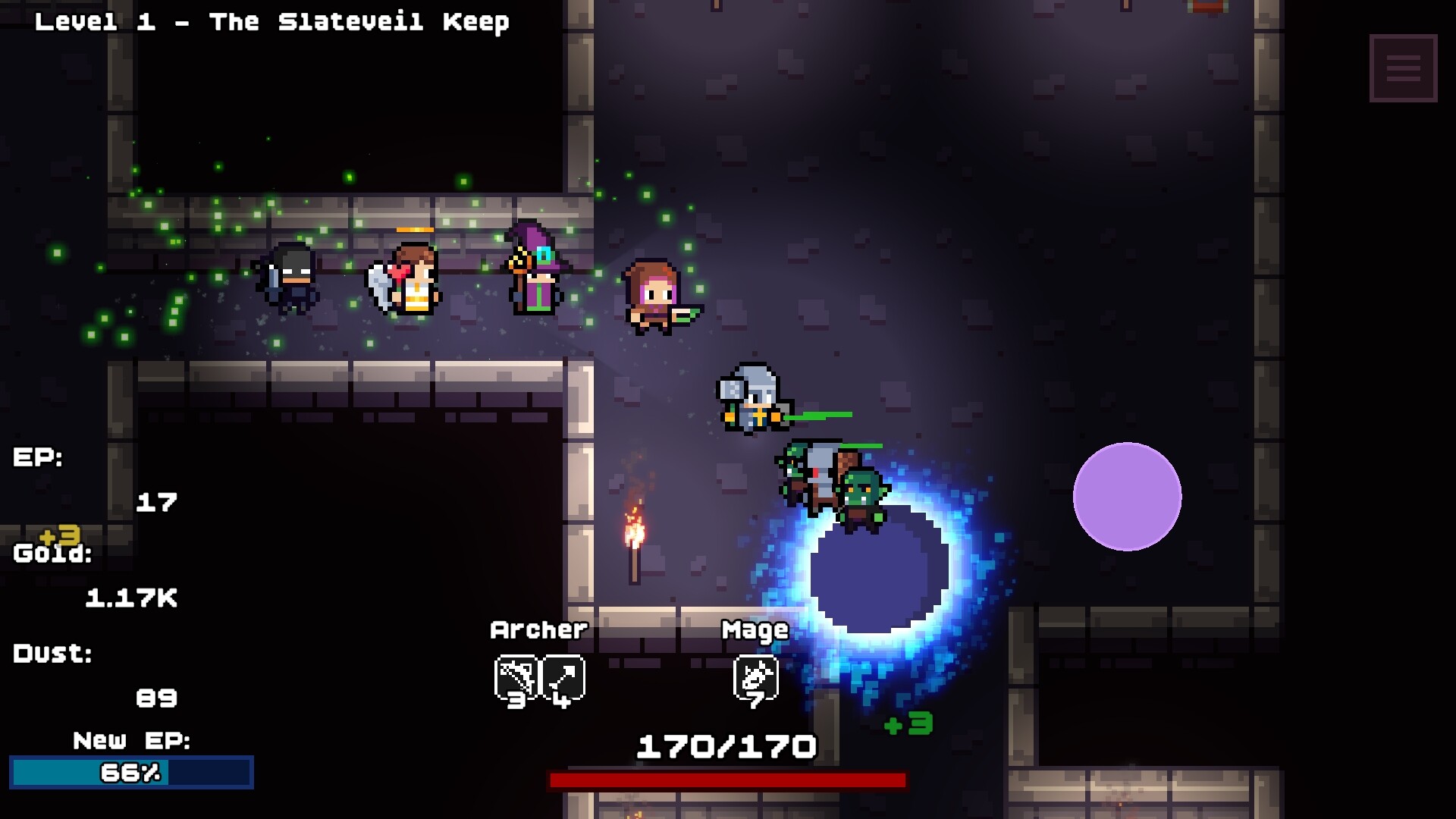
| Ranged damage | Archer is explicitly labelled in an official combat screenshot and appears in both demo parties. |
| Healing | The Cleric tooltip names Priest as the unlocked hero and describes party healing. |
On this page
What the available material can compare
The official website describes frontline, damage and support responsibilities within a party. Both independent English demo recordings develop those complementary functions through a warrior, ranged attacks and healing. This provides a useful basis for understanding roles, because it connects official descriptions with characters used during real progression rather than relying on a list of names alone.
A tier ranking would make a different claim. The creators do not test every hero with equal investment across the same encounters, and their parties change while they learn the tree. Their successful runs demonstrate that those combinations work in the recorded demos, but they do not measure which character contributes most under comparable conditions or establish a global order for every stage.
The warrior anchors both opening parties
Both recordings begin with the warrior while player clicks supply additional damage. Later development includes improvements to that hero and a temporary combat buff used around dangerous encounters. These are demonstrated contributions to the early party, rather than a hypothetical description added to make the hero fit a traditional role chart.
The official site's frontline responsibility is consistent with the way the creators discuss that party. However, the videos show the warrior alongside changing upgrades and additional allies, so its performance is part of a developing group. Those observations explain the hero's place in the documented progression without proving a letter grade, a fixed damage ranking or an unavoidable slot in every future composition.
The archer adds a demonstrated damage role
Both creators obtain a ranged attacker through the skill tree. Their commentary identifies an improvement in the party's ability to clear encounters after that addition, and later progression includes further development of ranged abilities. An official gameplay screenshot explicitly labels Archer, providing a source for the name beyond the sometimes variable wording of automatic captions.
The observed improvement is a before-and-after change within each creator's own save. It is not a comparison against every alternative hero at the same cost, because the rest of the party and tree continue developing throughout the run. The archer is therefore supported as a real offensive component of the demo party, while a universal claim that it outranks all other damage options is not part of the evidence.
Priest is the hero named by the Cleric node
The official skill-tree screenshot resolves an important naming distinction. Its node is called Cleric, while the tooltip names the unlocked hero Priest and describes healing for the party. This explains why a reader may encounter both words around the same progression step without needing to treat them as two independently confirmed support characters.
Both videos show a healing role being added during progression. That gives the official tooltip independent gameplay context and explains why support is part of the documented party rather than a speculative recommendation. It does not establish that Priest is the strongest possible support, because the sources do not present an equal-condition comparison with every other available option in the complete game.
Mage is visible in current promotional material
An official gameplay screenshot includes a Mage skill label alongside Archer. That is direct visual evidence that Mage appears in the promoted game material, even though the older core demo trio does not capture every pictured option. The label supports including Mage in a confirmed-name discussion rather than omitting it because it was absent from one creator's opening party.
The same image does not provide a full unlock route or a complete tested ability kit. It also does not compare Mage's performance against the archer under controlled conditions. For a tier-list question, that means visual confirmation and a ranking must remain separate claims: the first is supported by the screenshot, while the second cannot be manufactured from the character's appearance or skill icon.
Rogue is an announced addition beyond the older demos
The release announcement introduces a damage-focused Rogue with Blink Attack. It also announces the Priest's new Activate skill, which the developer says interacts with other heroes' skills. Those details establish that the full-game plans include additional options beyond the party developed in the July recordings, rather than simply repeating the exact same available combinations.
The announcement does not provide the comparative tests required to place Rogue above or below every other hero. Its description of a damage role also does not turn a new skill into a published damage-per-second measurement. The confirmed information is the announced hero and skill, while an unsupported launch ranking would go beyond what the developer and the collected demo evidence actually establish.
Use roles without mistaking them for ranks
The reliable comparison is between responsibilities: frontline presence, offensive contribution and healing support all appear in the material. The official site explicitly ties team composition and positioning to fights, while the videos show those roles being assembled through progression. This offers a concrete explanation for why a party needs several capabilities without requiring fictional S tiers to make the page useful.
The game identity also matters when interpreting search results. These sources concern Playsect's Steam app 4621970, not the older mobile title with a similar name. A hero list from that other game would answer a different question, so this page keeps its names, abilities and role descriptions tied to the documented Steam game rather than filling gaps with unrelated rarity or summon systems.
Development state changes what a hero is doing
The same recorded party changes substantially as the creators invest in its tree. A ranged attacker added early is later developed further, and healing joins a party that already has a history of combat and resource purchases. These changing conditions matter because an observation at one point in a playthrough is not an equal-investment comparison across the complete set of heroes.
The videos show real progress, but they do not hold the route and surrounding development constant for a ranking test. That makes their strongest contribution descriptive: they identify who joins the party and what functions appear during play. The distinction protects the role comparison from turning a creator's immediate enthusiasm into a measured universal performance order.
Published skills should retain their actual scope
The release announcement describes Rogue's Blink Attack and names Activate for Priest. Its wording establishes announced features while leaving their full comparative behavior outside the collected evidence. Naming those abilities accurately provides more useful information than assigning a speculative rating to a character simply because a new skill sounds powerful.
The same standard applies to Mage's labelled skill group in the official image. The screenshot confirms a name and interface presence, rather than a complete damage test or unlock route. Keeping each published detail at its actual scope allows the page to include the promoted characters without presenting a fabricated full skill database or a supposedly settled launch meta.
Sources
This article draws on the official descriptions, announcements, screenshots and recorded demo material below. Gameplay observations describe the demonstrations in those sources. Questions or corrections can be sent through the contact page.